Ball Knowledge Tables & Modes
Choose 1v1 to 8-player tables—or practice against the Noob—with confidence.
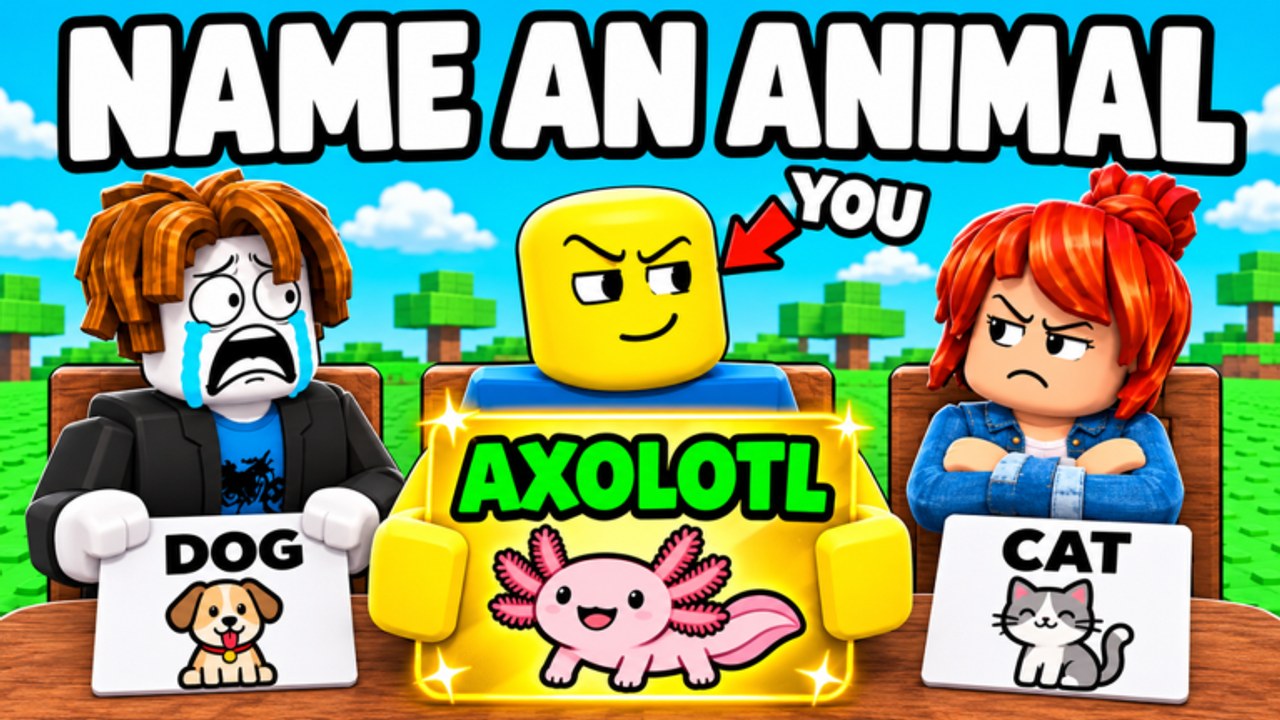
Ball Knowledge is a table game at heart. You do not queue into an abstract matchmaker so much as you walk up, sit down, and play seven rounds with whoever shares that table. Gray Games Official supports several social sizes—1v1, 3-player, 4-player, and 8-player main stage—plus practice tables featuring the Noob. Servers hold roughly 30 players, so multiple tables can run at once inside the same lobby. This guide explains how each format feels, what stays constant, and how to pick a seat that matches your goal.
Scoring rules never change with table size: same question for everyone seated, one answer each, rarity from Common to Legendary (100), no speed bonus, small spelling mistakes okay, highest total after seven rounds wins. Strategy pages that pair with this one: Getting Started, Rare Answers, and Scoring.
Practice tables and the Noob
If you are new, start here. Practice tables exist so you can learn the UI, the reveal timing, and the emotional spike of seeing Common versus Legendary without a full human crowd reacting. The Noob is a predictable sparring partner—use that calm to force good habits:
- Discard your first idea on purpose.
- Read every limiting word in the prompt.
- Finish all seven rounds even after a weak open.
- Experiment with uncommon picks you might hesitate to try in public.
Practice is still Ball Knowledge. Treat it as reps for rarity, not as a skippable cartoon. When the reveal no longer surprises you, graduate to human tables.
1v1 duels
1v1 is the purest mind game. There is nowhere to hide: every Common you submit is a gift if your opponent finds something rarer. Variance is high because one Legendary can swing the set. Use 1v1 when you want focus, when you are practicing a specific category mindset, or when you are warming up before a streak push on larger tables.
Tips for duels:
- Assume your opponent also knows the Dog versus Fennec Fox lesson.
- Prefer clean uncommon answers over risky invalid stretches.
- Track the running score; late-round decisions differ when you lead versus trail.
- Stay seated—leaving mid-duel wastes a perfect training environment.
3-player battles
Three seats add social noise without full chaos. You will start seeing shared Commons more often, which teaches discard discipline faster than practice alone. Three-player tables are ideal for friends who want banter plus real competition, and for solo players who want slightly more reveal information each round.
Watch for alliance vibes that are not actually alliances: nobody shares points. Laugh together, score separately. The player who quietly submits the uncommon valid answer still wins the seven-round total.
4-player tables
Four seats are a sweet spot for many lobbies. The table feels lively, Common clustering is real, and you get richer feedback each reveal. If three people submit the same food item, you learn that word is burned for future similar prompts. If you alone land high rarity, you feel the scoring fantasy that pushed the game past 2.3 million visits since the 2026-10-14 release.
Four-player sets are excellent for badge hunting—First Win, Legendary Find, Ten Wins—because the competition is serious but not always as noisy as the main stage.
8-player main stage
The 8-player main stage is the spectacle format. More minds on the same prompt means popular answers collide constantly. Rare thinking is mandatory if you care about Best Score or public bragging rights. Expect louder lobbies, more reactions during reveals, and tougher Common traps.
Main-stage advice:
- Never submit the first global default.
- Prefer answers you can spell under distraction.
- Use the lack of a speed bonus; chaos outside your head is not a reason to panic-type.
- Accept that even strong rares can be mirrored—seven-round consistency still decides the winner.
If main stage tilts you, drop back to 3-player or practice, reset your discard habit, then return. Streak boards (Top Streaks) punish emotional hopping more than they punish a single Common stamp.
How server size shapes the lobby
With about 30 players per server, you can usually find a table that matches your mood: a quiet duel, a mid-size fight, or a packed main stage. If every large table is full, take a smaller seat rather than AFKing. Coins, daily rewards, and furniture goals from Chairs and Unlocks all benefit from actually finishing matches.
Universe id 10770915307 and place 110147623465822 identify the official Gray Games experience—use the real Ball Knowledge place when you join from Roblox search so you land in the correct lobby layout.
Choosing a mode by goal
| Goal | Suggested table |
|---|---|
| Learn UI and rarity | Practice vs Noob |
| Focused skill reps | 1v1 |
| Friends + real scores | 3-player or 4-player |
| Maximum pressure / spectacle | 8-player main stage |
| Leaderboard Best Score attempts | 4-player or 8-player after warm-up |
| Recovering from tilt | Practice or 1v1 |
What never changes across modes
- One shared question per round for the seated group
- One answer per player
- Rarity scoring up to Legendary 100
- Seven rounds
- Highest total wins
- No speed bonus
- Small spelling mistakes accepted
- 135+ question topics across animals, food, countries, sports, science, music, video games, and more
Modes change psychology and collision rate, not the rulebook. Master the rulebook once via Scoring and Rare Answers, then use this page to pick the social container that fits tonight’s session.
Session flow example
- Claim the daily reward.
- Play one practice set versus the Noob with forced second-idea answers.
- Take a 1v1 or 3-player human table to confirm the habit holds under pressure.
- Optionally move to 8-player main stage for a spectacle set.
- Spend coins on chairs or effects, then stop on a win if you are protecting a streak.
Return to the Guides Hub whenever you need the wider tutorial map. Table choice is a strategic decision—treat it like picking a difficulty setting for the same core scoring game.
Frequently Asked Questions
Quick answers for Ball Knowledge players.
What table modes does Ball Knowledge offer?
Practice versus the Noob, plus 1v1, 3-player, 4-player, and 8-player main stage tables inside ~30-player servers.
Do scoring rules change on the main stage?
No. Every mode uses one answer per round, rarity scoring, seven rounds, and highest total wins with no speed bonus.
When should I use practice tables?
Use them to learn reveals and force rare-answer habits before joining busy human tables.
Which mode is best for beginners?
Start versus the Noob, then move to 1v1 or 3-player before jumping into 8-player main stage.
Why pick 8-player if Commons collide more?
For spectacle, tougher rarity practice, and competitive Best Score attempts once your discard habit is solid.