Ball Knowledge Practice Tables vs Noob
Why warm-ups beat diving straight into crowded main-stage reveals.
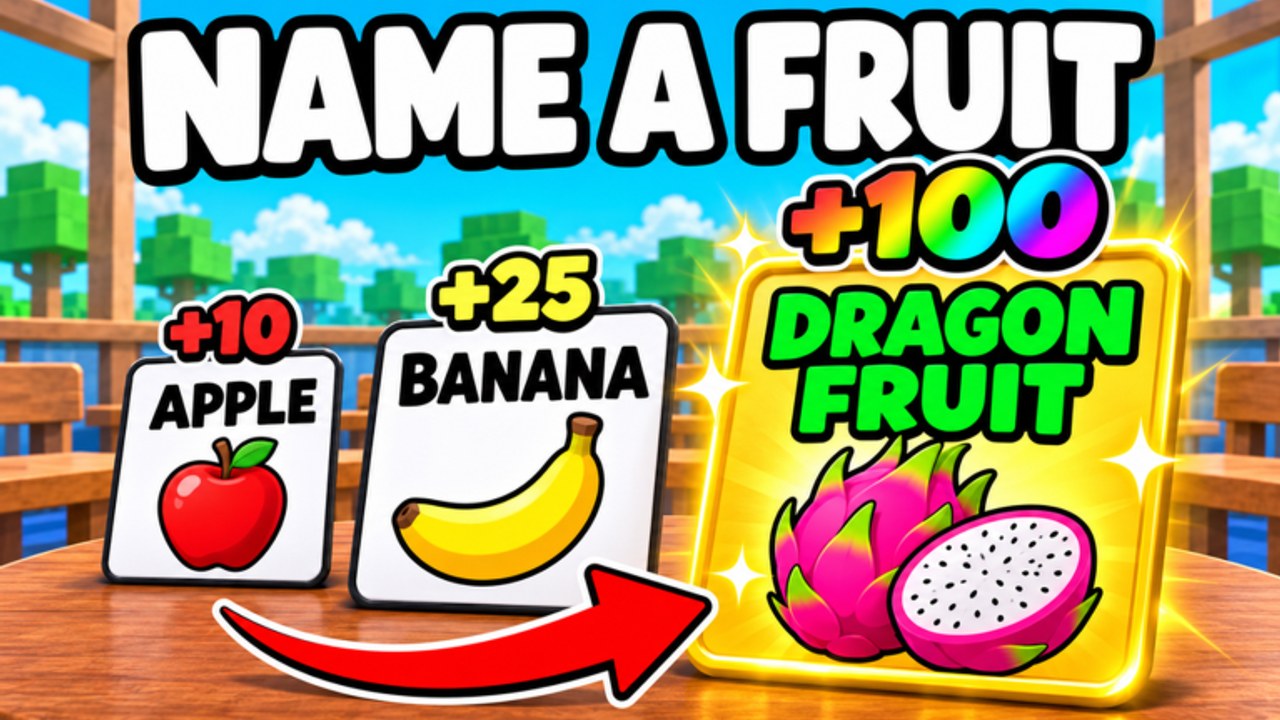
Practice tables versus the Noob are the quiet classroom inside Ball Knowledge. Gray Games Official still gives you the real rules—shared prompt, one answer, rarity from Common to Legendary (100), seven rounds, no speed bonus, light spelling leniency—but removes the social panic of a packed 8-player main stage. This guide explains how to use that room so your first ideas stop winning by default before you sit 1v1 or crowded human tables.
Cross-link your warm-ups with Rare Answers, Legendary Answers, the Answer Bank, and Scoring. If you are brand new to the lobby, start with Getting Started, then come back here for deliberate reps.
What Practice vs Noob is for
The Noob opponent exists so you can feel the reveal cadence without tying every mistake to a public streak death. You are not “wasting games.” You are installing the only skill that matters: read the prompt, reject the first answer, submit a better valid one.
Practice will not place you on Top Wins the way live conversions do, and it is not the place to flex cosmetics. It is the place to:
- Hear how prompts are phrased across the 135+ question pool.
- Notice which Commons your brain offers automatically (Dog-tier defaults).
- Test whether a niche spark from the Answer Bank still fits tonight’s wording.
- Survive seven full rounds while narrating your decisions calmly.
Why practice before 1v1 and 8-player
1v1 is emotionally sharp. One Legendary from your opponent can flip the set; one Common from you feels personal. Walking in cold makes you type early despite the missing speed bonus.
8-player main stage is socially loud. Chat shouts the obvious answer. Reveals show clusters of the same Common. Without a practiced discard reflex, you join the cluster.
3-player and 4-player rooms sit between those poles. They are excellent mid steps after Noob drills and before a streak block. Format comparisons live on Tables and Modes; this page focuses on the warm-up habit itself.
Servers hold about 30 players, so live tables are rarely scarce. That abundance is exactly why practice still matters: convenience tempts you to skip fundamentals.
Drill one: reading prompts like a contract
Every round, force a one-line paraphrase before typing:
- “They want a pet.”
- “They want a Summer Olympic sport.”
- “They want a kitchen tool, not a recipe.”
- “They want a chemical element name.”
Underline qualifiers in your head: Olympic, Disney, arcade, real, type, species. Most invalid “rare” attempts die here, not at the reveal. Legendary hunts fail the same way when players chase obscure vibes past the contract—see Legendary Answers.
Drill two: reject the first answer on purpose
For an entire seven-round Noob set, follow this script:
- Notice the first word that appears in your mind.
- Say (quietly) “discard.”
- Produce a second valid option.
- If time remains, ask whether a third option is both valid and rarer.
- Submit once.
Official teaching numbers help calibrate expectations: on pet-style asks, Dog ≈ 10 while Fennec Fox ≈ 90. Your job in practice is not to worship Fennec Fox—it is to feel how often your brain offers Dog-tier comfort and how much better the second idea scores when it still fits.
Drill three: spelling under calm pressure
Spelling leniency forgives small mistakes. It does not forgive unreadable mash. Use practice rounds to type uncommon names cleanly: instruments, cheeses, elements, craft terms from the Answer Bank. Prefer the niche word you can spell over a legendary-looking word you will butcher.
Drill four: full-set composure
Play the whole seven rounds even after a Common stamp. Practice is where you learn recovery math from Scoring: one weak round is not a voided match. Players who rage-quit Noob sets also rage-quit live streaks.
A sample 20-minute warm-up block
Minutes 0–2: Join a practice table, mute distracting chat if needed, claim you are here for rarity reps—not coins.
Minutes 2–10: One full Noob set with mandatory first-answer rejection.
Minutes 10–12: Journal three lines: Common traps, best personal rare, one wording surprise.
Minutes 12–20: Second Noob set OR step into a 3-/4-player human table while the habit is warm.
Only then start a 1v1 duel or an 8-player climb toward Best Score, Top Streaks, or badge goals like First Win, Legendary Find, and Ten Wins. Deep board strategy sits on Leaderboards and Badges and Best Score.
What not to do on practice tables
- Do not farm only Commons “to finish fast.” You are training the wrong muscle.
- Do not treat Noob wins as proof you are ready for streak boards without a human step-up.
- Do not invent meme answers that fail categories; practice should punish that habit, not celebrate it.
- Do not skip practice entirely because visits are huge (~2.4M) and lobbies feel busy—busyness is why fundamentals slip.
- Do not expect passes (2x Coins, VIP, Change Category, Rainbow Name) to replace warm-ups. Economy and flair are separate from rarity IQ.
Connecting practice to the rest of the wiki
After warm-ups, spend coins intentionally via Chairs and Unlocks, check honesty on codes via the Codes Hub (still no verified promo codes as of November 2026), and watch patches on the Updates Hub. Official play remains the Ball Knowledge Roblox place from Gray Games Official (released 2026-10-14).
Habit checklist before you leave practice
- I paraphrased each prompt.
- I discarded my first answer every round.
- I submitted only one string per round.
- I finished all seven rounds.
- I wrote down one lesson from the reveals.
- I know whether my next queue is learning, winning, or Best Score peaking.
When that checklist feels automatic, practice tables have done their job. Return whenever streaks break, Commons creep back, or a new question family shows up in the pool. The Noob room is always there; crowded reveals are much harder teachers.
Frequently Asked Questions
Quick answers for Ball Knowledge players.
What is Practice vs Noob in Ball Knowledge?
A practice table format where you face the Noob opponent under real scoring rules with less social pressure than busy human tables.
Should I practice before 1v1 or 8-player matches?
Yes. Warm up the discard habit on Noob tables, then step into small human rooms before duels or crowded main-stage sets.
What is the main habit to train in practice?
Read the prompt carefully, reject your first obvious answer, and submit one better valid option—there is no speed bonus for typing early.
Do practice matches replace studying rare answers?
No. Use practice to rehearse ideas from Rare Answers, Legendary Answers, and the Answer Bank under live timing.
Can I chase leaderboards only on Noob tables?
Use Noob for skill building, then move to real tables when you care about Top Wins, Top Streaks, Best Score, and badges.